Introducing the CRAFT-TOUR Project
|
|
|
|
|
|
|
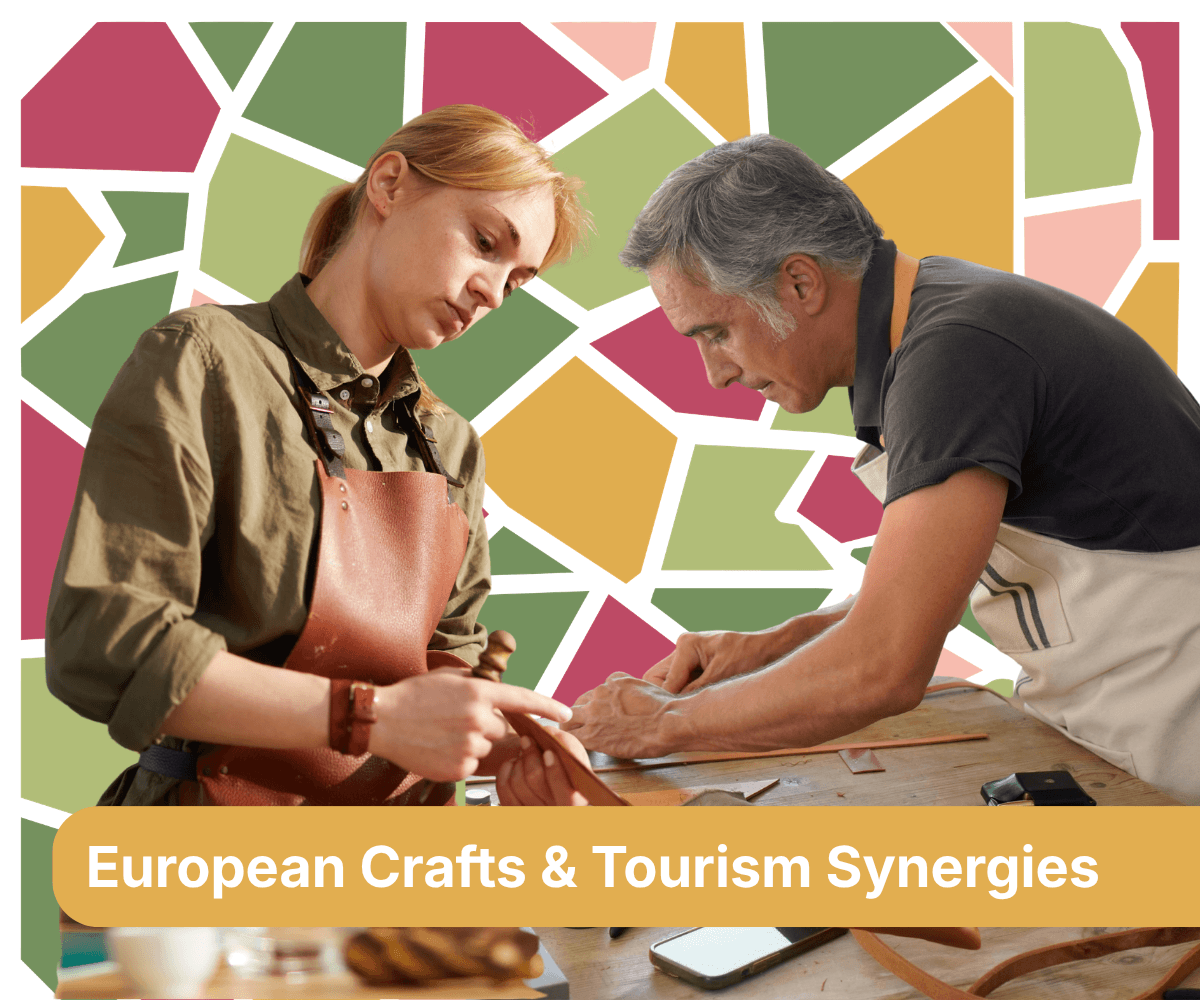
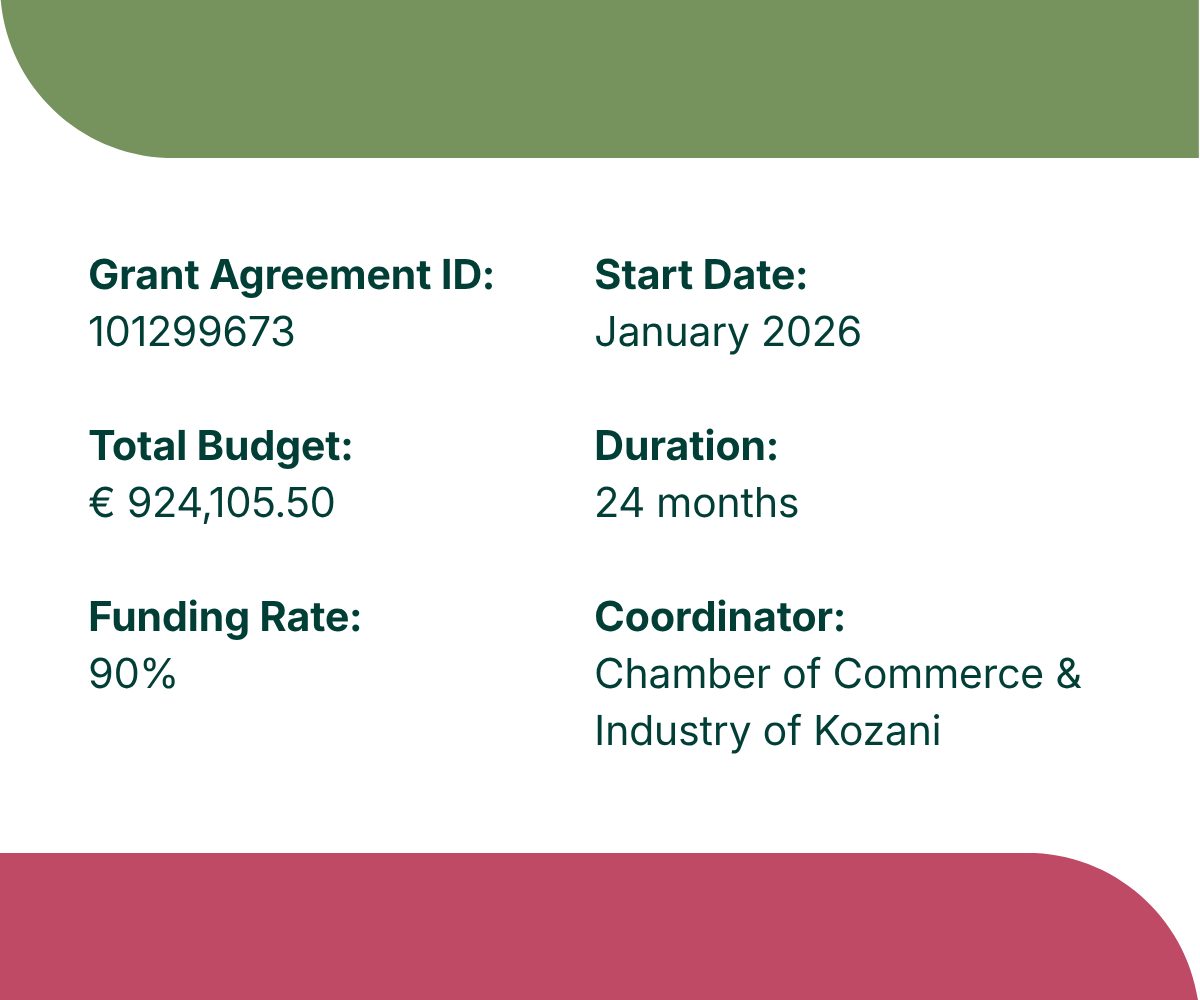
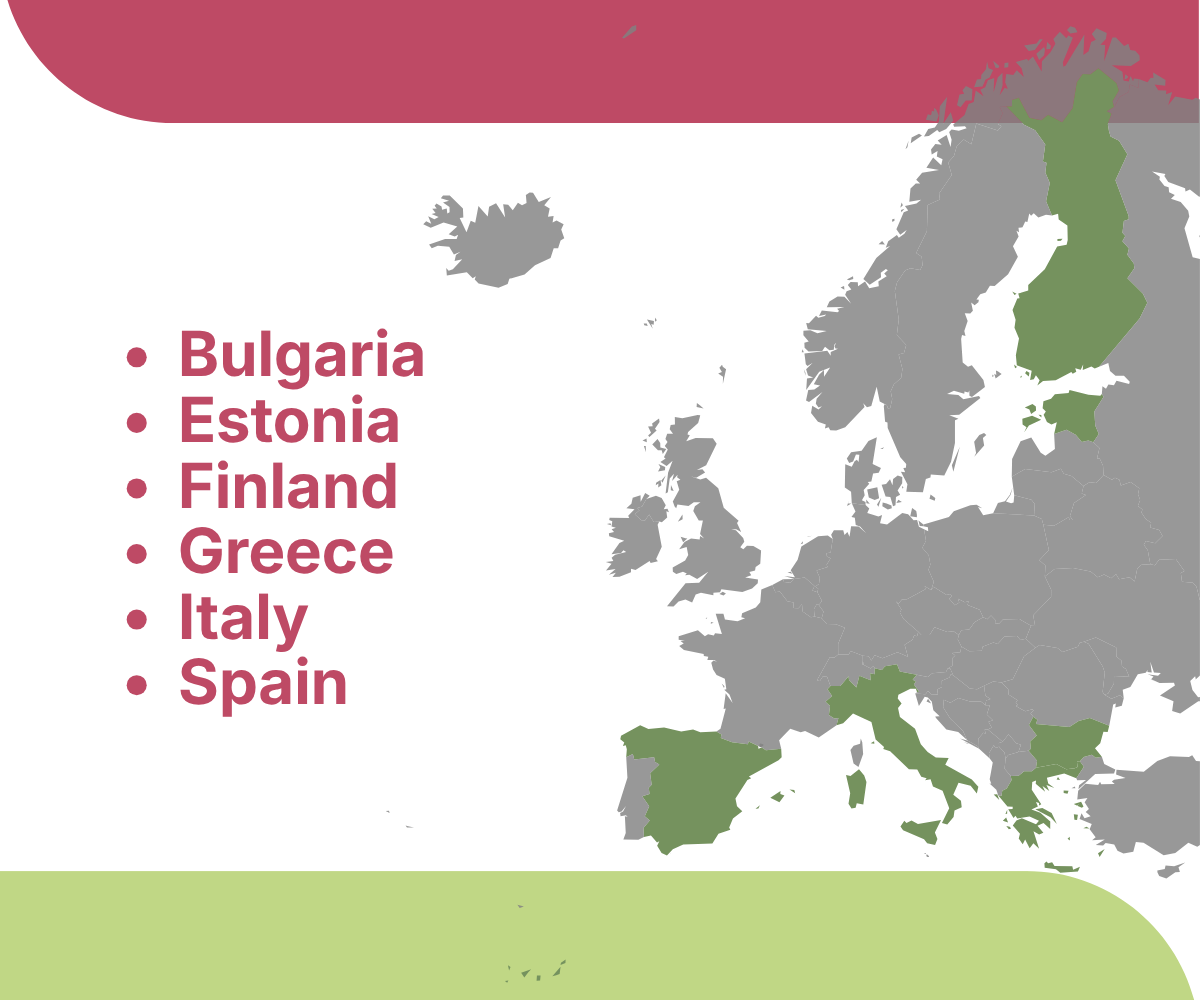
CRAFT-TOUR — Crafting Heritage and Tourism Across Europe — is an EU project designed to support traditional craftspeople and small artisanal SMEs by linking craftsmanship with tourism. The project is coordinated by the Chamber of Commerce & Industry of Kozani and brings together partners from six EU countries, combining business support, tourism expertise, research and digital know-how.
Funded under the call PPPA-MOVE-2025-P032404: The promotion of handicraft products and support of craftsmen, the project aims to help artisans develop and promote their products, strengthen their visibility and create new tourism experiences rooted in craft traditions. Rather than treating craft as something static or decorative, CRAFT-TOUR sees it as a living part of local economies, identity and visitor experience.
|
|
|
|
At its heart, the project is about giving traditional crafts a stronger place in Europe’s tourism offer. Over the project period, partners will work together to support artisans, test new forms of collaboration and build tools that can remain useful beyond the life of the project. The aim is not only to fund promising ideas, but also to create a working network that connects makers, tourism stakeholders and local support organisations across Europe.
In the longer term, CRAFT-TOUR is expected to generate tools, good practices and partnerships that can continue to support craft tourism well beyond the project timeline. By bringing together complementary expertise from different countries and sectors, the project hopes to show that craft can be both a cultural asset and a practical driver of local development.
|
|
|
|
|
Challenges the project address
|
|
|
|
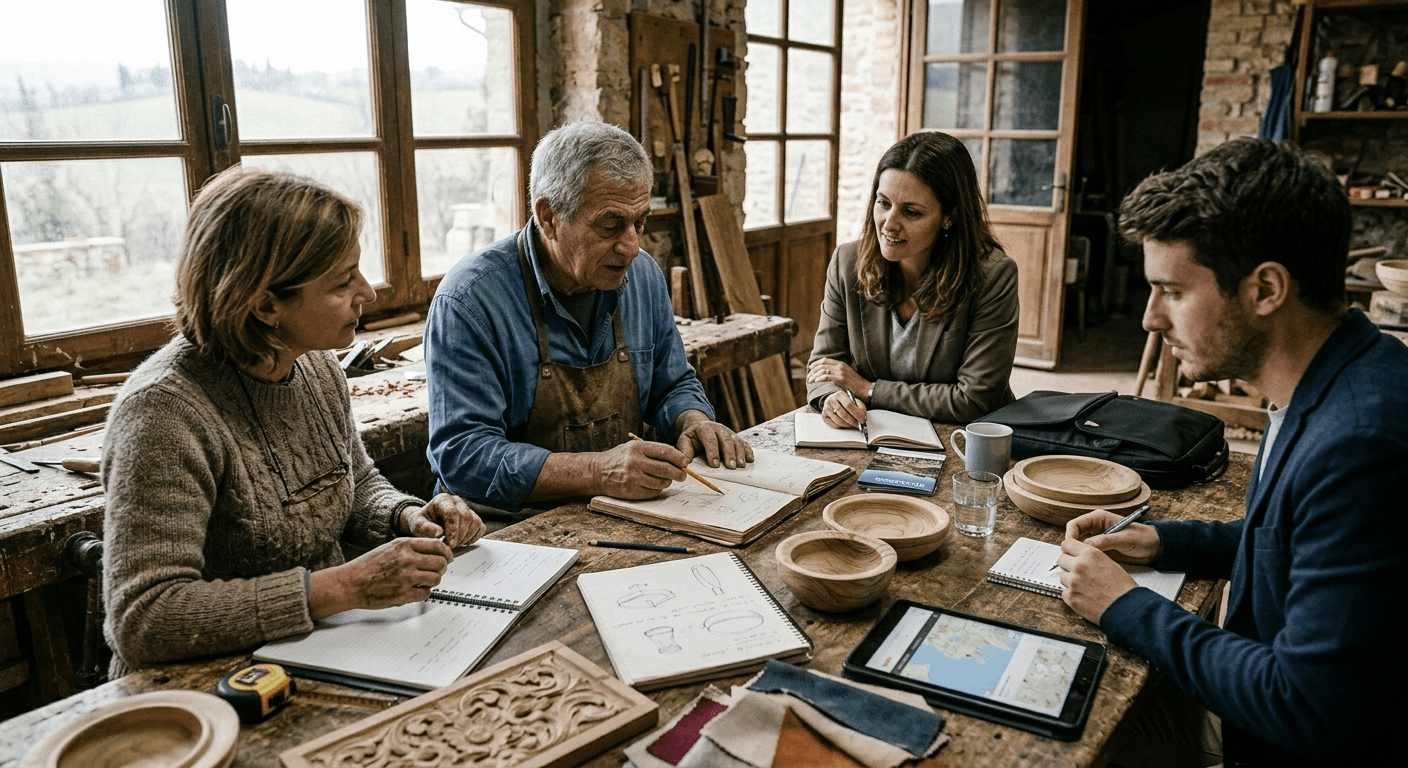
Across Europe, many craftspeople are facing similar pressures. Traditional workshops often struggle with declining markets, limited digital visibility and weak access to wider commercial networks. In many cases, artisans work in isolation, with too few opportunities to connect with tourism businesses or peers in other regions.
The project also responds to broader structural challenges in the sector. These include slow digital adoption, an ageing workforce and the difficulty of passing on rare skills to younger generations. At the same time, many regions rich in craft traditions still lack structured tourism products such as craft trails, workshops or festivals that could help extend visitor stays and generate local value.
CRAFT-TOUR has been designed to respond to these gaps in a practical way. The project brings together financial support, mentoring, networking and tourism activation to help artisans move from isolated activity to stronger cross-border cooperation. In doing so, it addresses both the immediate needs of small businesses and the longer-term challenge of keeping craft traditions alive.
|
|
|
|
Benefits of the project: your stakeholder value
|
|
|
|
For craftspeople and artisanal SMEs, CRAFT-TOUR offers more than funding. It provides access to tailored mentoring, practical support and a European network that can help turn ideas into viable products and services. Beneficiaries will be able to improve product development, strengthen marketing and explore new ways of reaching visitors and customers.
For tourism stakeholders, the project opens the door to more authentic, place-based experiences. Craft-focused activities can enrich destinations, attract visitors to lesser-known areas and encourage them to stay longer and engage more deeply with local culture. This creates opportunities for collaboration between artisans, tourism businesses and destination actors who may not previously have worked together.
For the wider ecosystem, the project supports resilience and continuity. By helping artisans modernise without losing the character of their work, CRAFT-TOUR contributes to heritage preservation, local economic activity and knowledge transfer between generations. The project’s cross-border model also means that lessons, tools and good practices can be shared beyond the immediate partnership.
|
|
|
|
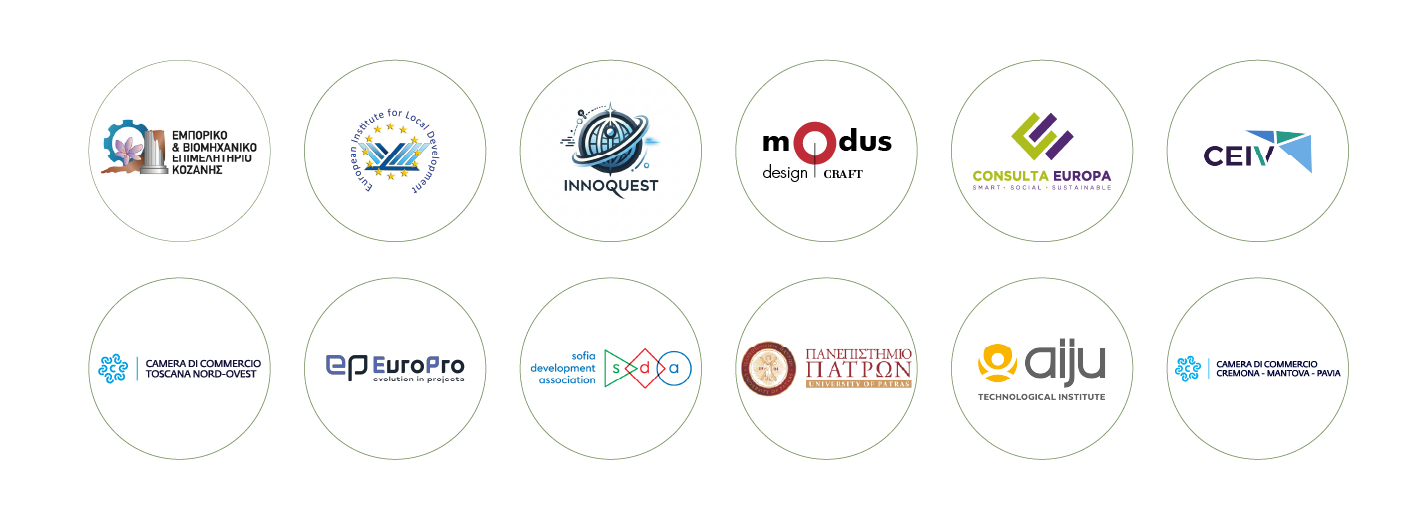
The CRAFT-TOUR consortium has been built to reflect the full chain of craft-tourism development. It is coordinated by the Chamber of Commerce & Industry of Kozani in Greece, which leads overall management and financial coordination. The partnership also includes business support organisations, destination management bodies, a university and specialist organisations from Finland, Spain, Italy, Bulgaria and Estonia.
Each partner brings a different but complementary role. Business support organisations help mobilise artisans and guide them through the support process, while tourism-focused partners contribute expertise in destination development and promotion. The University of Patras leads the collaboration platform work and supports training, evaluation and knowledge management.
This structure matters because the project is not just about distributing support. It is about connecting different kinds of expertise so that craft businesses, tourism actors and technical partners can work together effectively. In practice, that means the consortium can support beneficiaries from application through to implementation and visibility.
|
|
|
|
The Chamber of Commerce & Industry of Kozani is a local business organisation supporting companies and enterprises in Kozani and across Greece. It works to strengthen local business development and is home to many companies with international activity and cross-border links.
|
|
|
The European Institute for Local Development is an independent non-governmental organisation founded in 2009, with a focus on regional development and international cooperation. Based in Greece, it works with a broad network of local development stakeholders, academics and civil society actors to support innovation, networking and growth in urban and rural areas.
|
|
|
|
Innoquest OÜ is a research-oriented private company based in Estonia, founded by experts in artificial intelligence, data science, educational technology and EU project design. Its work focuses on inclusive learning, digital innovation and evidence-based solutions for cooperation and knowledge exchange.
|
|
|
Design Association Modus is a craft and design association based in Tampere, Finland, supporting professional makers through mentoring, development and visibility activities. It connects local craftsmanship with wider audiences through events, exhibitions and storytelling, while also linking makers to European collaboration and peer learning opportunities.
|
|
|
|
Consulta Europa is an SME based in the Canary Islands, Spain, specialising in EU research, education and innovation projects. It supports organisations through project management, technical assistance, policy evaluation, events and training, with a strong focus on social innovation, sustainability and outermost-region perspectives.
|
|
|
The Cluster of Innovative Companies of the Toy Valley is a business network that supports innovation and cooperation among companies in the toy and creative sectors. It works to connect enterprises, encourage new ideas and strengthen the competitiveness of its regional business ecosystem.
|
|
|
|
The North-West Tuscany Chamber of Commerce is a public body that supports businesses and economic development across the provinces of Massa-Carrara, Lucca and Pisa. It works on market regulation, innovation, internationalisation and the promotion of territorial resources, including tourism and local economic growth.
|
|
|
EuroPro is a social enterprise that works with public authorities, associations and companies to deliver projects and training in Europe. Its international team supports project management, advice and capacity-building, helping organisations turn ideas into successful initiatives.
|
|
|
|
Sofia Development Association is a non-profit organisation established by Sofia Municipality to support research, innovation and collaboration in urban development. It brings experience in EU-funded projects and in working across the public, private, academic and civil society sectors to develop sustainable local solutions.
|
|
|
The University of Patras is one of Greece’s major public universities, established in 1964 to support the decentralisation of higher education in the country. It contributes academic expertise, research capacity and long-standing experience in education and knowledge development.
|
|
|
|
AIJU is a non-profit research and technology organisation based in Spain, specialising in advanced materials, digital technologies and innovation support for SMEs. It develops tools and experiences for training, tourism and industrial applications, helping companies accelerate their digital and green transition.
|
|
|
The Cremona-Mantova-Pavia Chamber of Commerce is a public institution supporting business development in northern Italy. It plays an active role in innovation, local governance and international partnerships, with a strong interest in promoting territory-based value, including musical and craft heritage.
|
|
|
|
The project is now moving from the early setup phase into a more active stage. Recent progress has focused on preparing the collaboration platform, structuring the support mechanisms and getting ready for the project’s next visible steps. This first newsletter is a good moment to pause, take stock and bring the project’s direction into clearer focus.
As the project develops, news updates on the website will showcase key milestones, partner activities and the first results of implementation. In future issues, this section will be the place to highlight new developments, upcoming events and examples of how the project is taking shape on the ground. For now, the main message is that CRAFT-TOUR is beginning to move from planning to delivery.
|
|
|
|
CRAFT-TOUR Project Launches with Dynamic Kick-Off Meeting
|
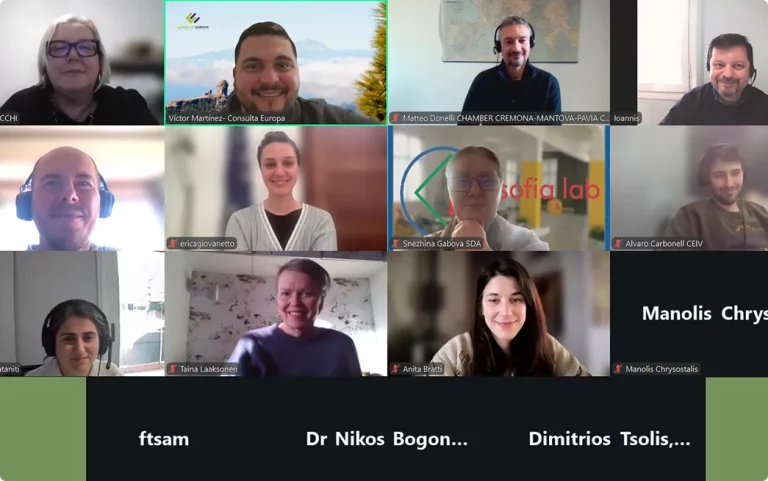
The CRAFT-TOUR consortium gathered online for its official kick-off meeting, marking the start of a 24-month EU-funded initiative to revive traditional crafts through innovative tourism synergies.
|
|
|
Craft still has a place in Europe’s tourism story
|
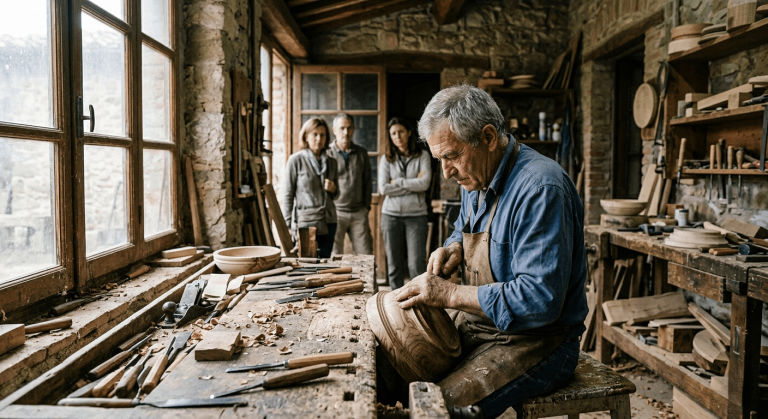
Traditional crafts are often described as if they belong to another age. But in many parts of Europe, they remain a living part of local economies, shaping identity, supporting livelihoods and giving visitors a reason to stay longer.
|
|
CRAFT-TOUR consortium begins implementation in Brussels
|
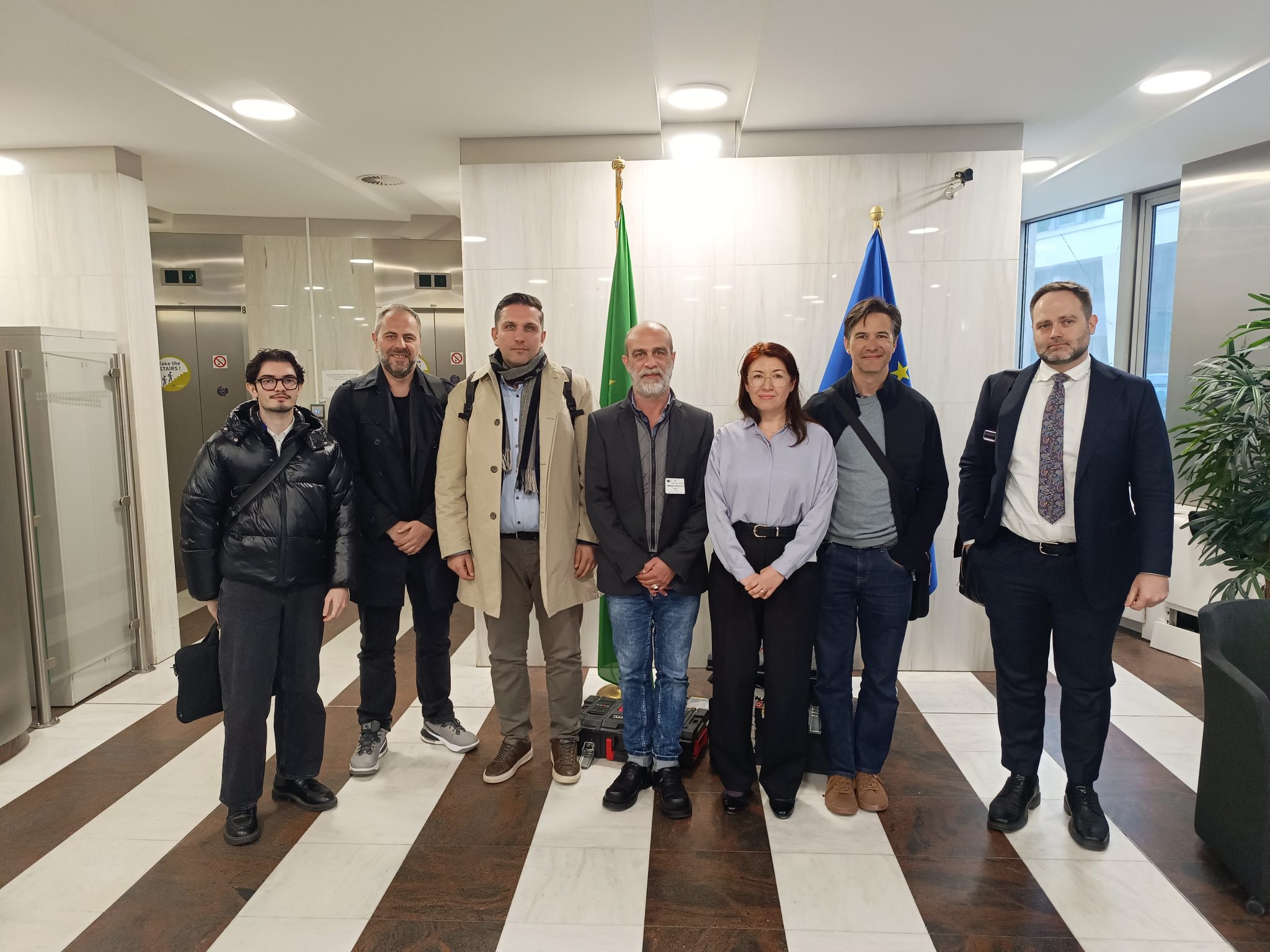
The CRAFT-TOUR consortium officially launched project implementation during a kick-off meeting held in Brussels on 21 April 2026, with representatives of the European Commission’s Directorate-General for Mobility and Transport and project partners joining both in person and online.
|
|
|
Support that goes beyond
funding
|
For many artisans, the challenge is not a lack of skill. It is the gap between a good idea and the support needed to turn it into a stronger business offer.
|
|
|
CRAFT-TOUR prepares for its next step
|
CRAFT-TOUR is preparing to move into a more visible stage. The next major milestone will be an open call for proposals, designed to bring new craft-led ideas into the project and turn the work on paper into activity on the ground.
|
|
Keeping craft alive for the next generation
|
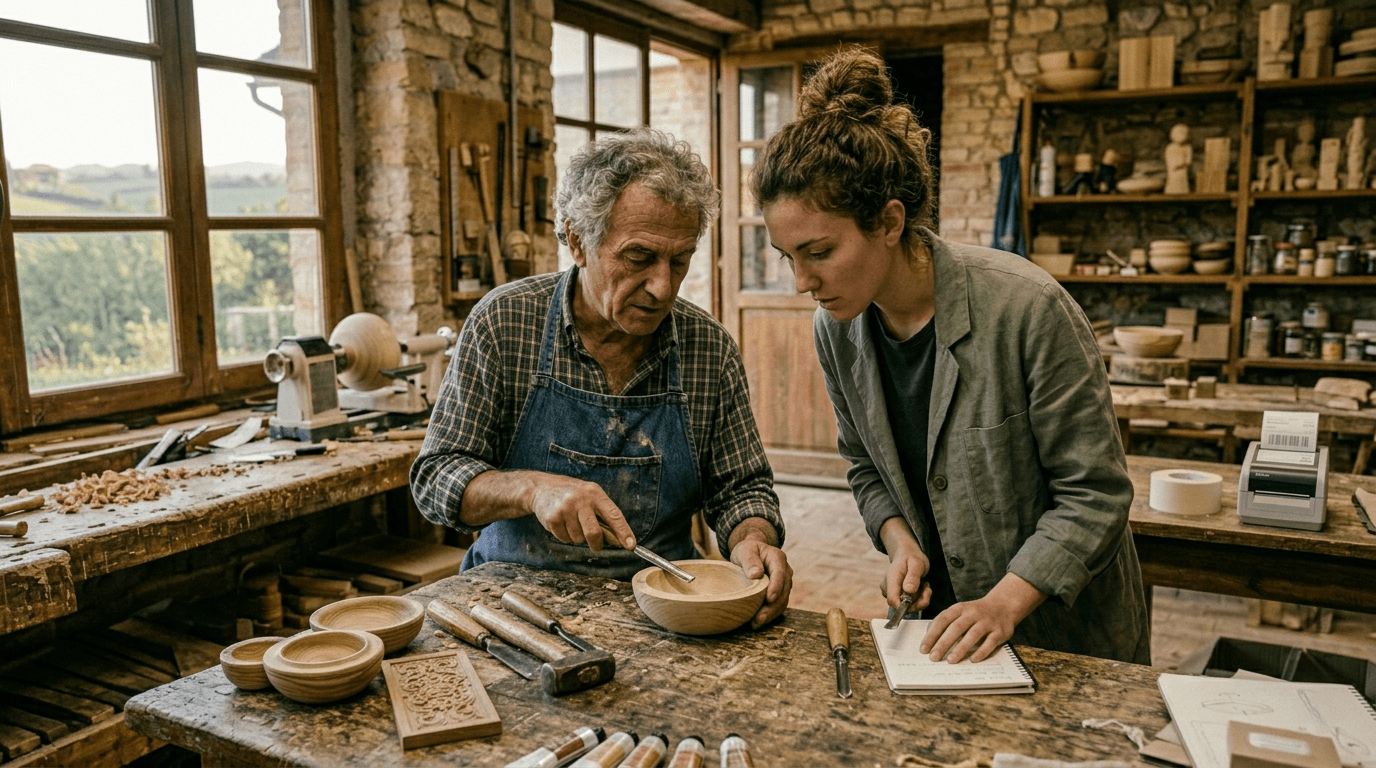
Across Europe, many craft traditions are under pressure not because they have lost their value, but because too few people are entering the trade.
|
|
|
The next phase of the project will focus on delivery and visibility. From July 2026 onwards, the project will move into a more active implementation period, with key deliverables and activities linked to the launch of the collaboration platform, training content and wider project support. One of the central next steps will be the online platform, which will serve as a space for networking, knowledge-sharing and access to project resources.
The project will also continue preparing and rolling out its support mechanisms for artisans and SMEs, including open calls and the mentoring that will accompany them. In parallel, partners will work on cross-border exchanges, tourism activation and the development of practical outputs that can be used by craftspeople and stakeholders across Europe.
Looking ahead, the project is designed to build momentum gradually but with purpose. The aim is not only to deliver activities during the project period, but also to leave behind tools, partnerships and working methods that can continue to support craft tourism in the future. That broader ambition will guide the work in the months ahead.
|
|
|
|
|
|
Co-funded by the European Union under grant agreement No 101299673. Views and opinions expressed are however those of the author(s) only and do not necessarily reflect those of the European Union or the Directorate-General for Mobility and Transport (DG MOVE). Neither the European Union nor the granting authority can be held responsible for them.
|
|
|
|
2026 © All rights reserved
|
|
|
|
|
|
|