
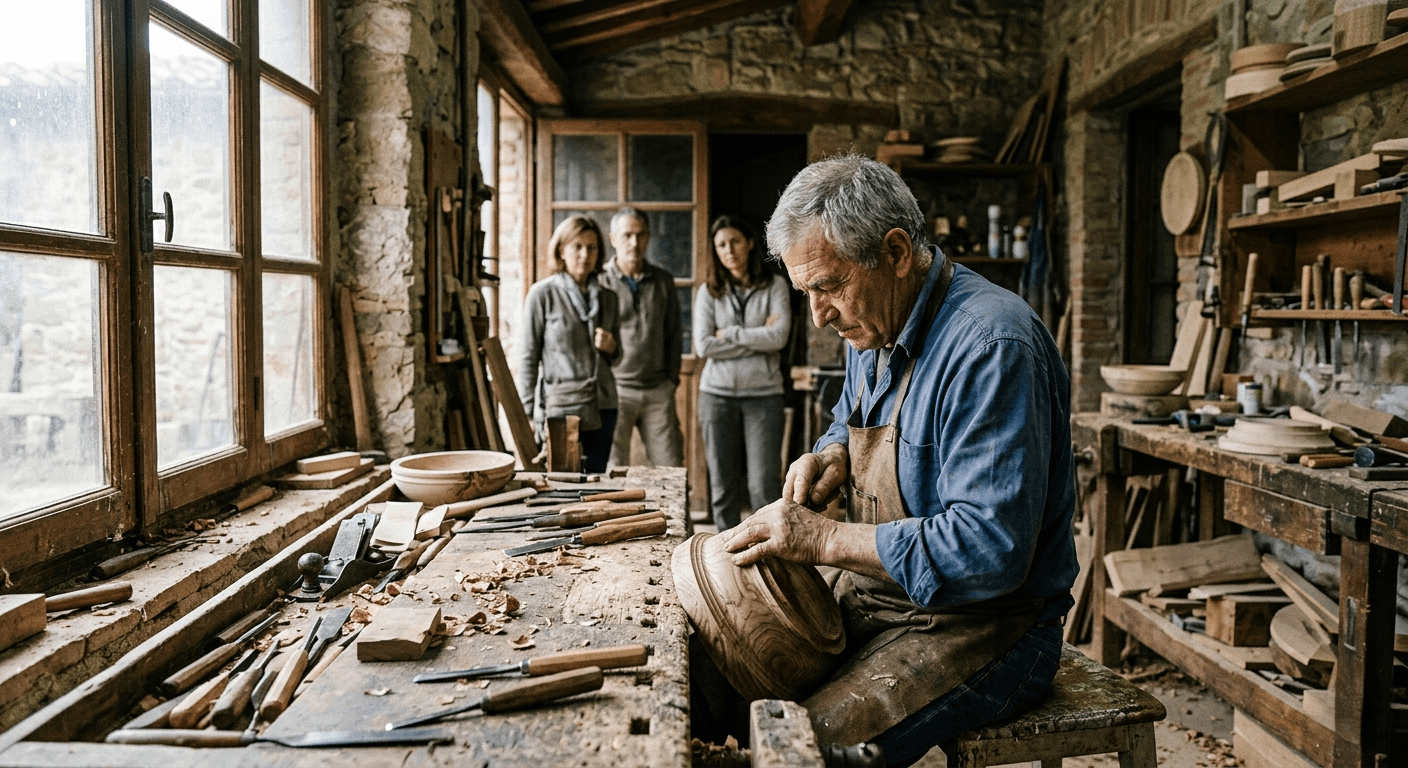
Traditional crafts are not just part of Europe’s past. In the right setting, they can also help shape the future of local tourism and small business growth.
Traditional crafts are often described as if they belong to another age. But in many parts of Europe, they remain a living part of local economies, shaping identity, supporting livelihoods and giving visitors a reason to stay longer.
That is the thinking behind CRAFT-TOUR, a transnational project linking craftsmanship with tourism in an effort to support artisans and small craft businesses across Europe. The aim is not to freeze craft in place but to recognise it as a sector with real commercial and cultural value.
The project begins from a familiar problem. Many craftspeople work in small workshops, often in rural or peripheral regions, where visibility is limited and access to wider markets is weak. Digital tools are still underused in the sector, and many artisans have little contact with tourism businesses that could help them reach new audiences.
At the same time, demand for authentic experiences is rising. Travellers increasingly want to see how things are made, meet the people behind the products and take part in activities that feel rooted in place. That gives traditional craft a clear role to play, not as a decorative extra but as part of the visitor experience itself.
CRAFT-TOUR is built around that idea. By supporting artisans to improve products, strengthen marketing and connect with tourism, the project hopes to create new opportunities that are practical rather than symbolic. It also aims to protect skills that might otherwise be lost, especially in sectors where younger generations are not always entering the trade.
There is also a wider European dimension. The project involves partners from six countries and is designed to benefit craft SMEs and related initiatives across the EU. That means the lessons generated by one region can be shared with others, creating a more connected and resilient sector.
In the end, the project’s message is simple. Craft is not only something to preserve. It is something that can still contribute to how places welcome visitors, support businesses and tell their stories.