European Commission and project partners align on the first steps of the EU-funded initiative to support craftspeople and craft-linked tourism across six countries.
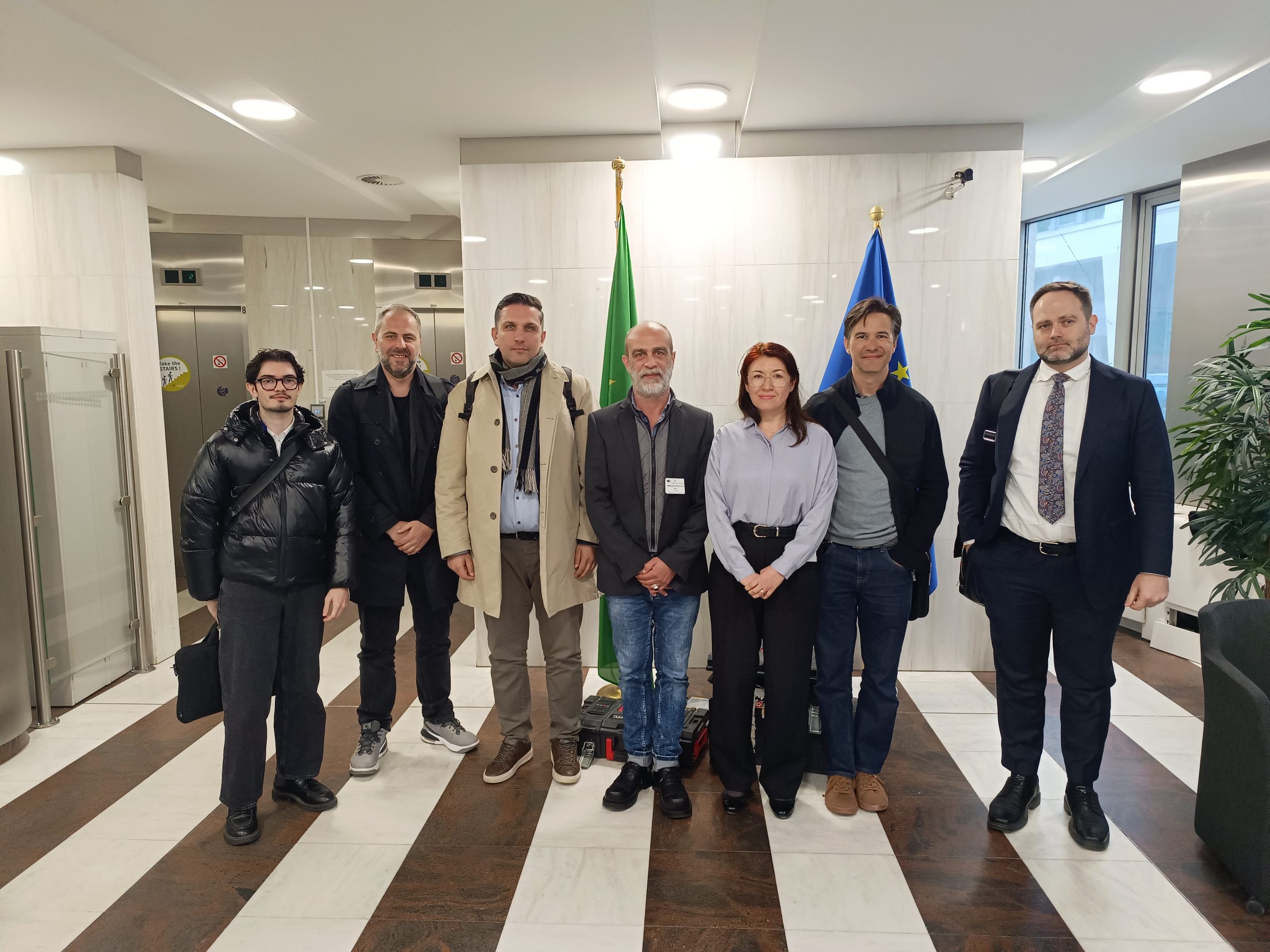
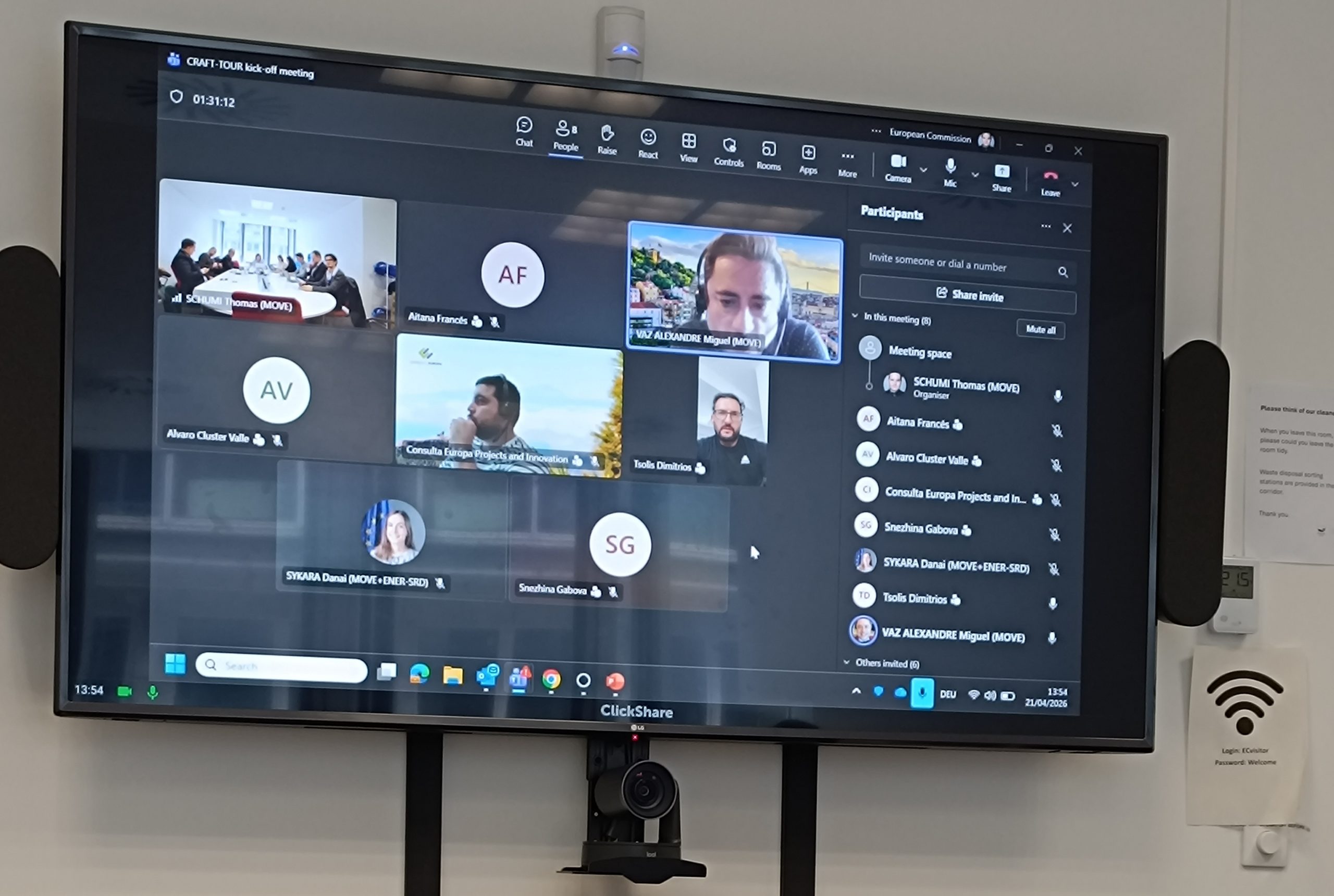
The CRAFT-TOUR consortium officially launched project implementation during a kick-off meeting held in Brussels on 21 April 2026, with representatives of the European Commission’s Directorate-General for Mobility and Transport and project partners joining both in person and online. The meeting provided a first opportunity to review the project’s work plan, clarify administrative procedures, and discuss the next steps for delivery.
Hosted in the framework of the EU call PPPA-MOVE-2025-P032404, the project aims to strengthen the visibility, resilience, and market potential of traditional crafts while creating new links to tourism. The initiative is designed to support craftspeople and artisanal SMEs through financial support, mentoring, and transnational cooperation.
During the meeting, the consortium and Commission representatives discussed the implementation of the contract in detail, including monitoring arrangements, deliverables, and the timeline for the first project milestones. The exchange was described as productive and constructive, setting the basis for close coordination during the project’s early stages.
The project also presented the role of its digital collaboration platform, which will connect artisans across borders, support knowledge exchange, and help promote new opportunities for cooperation. According to the project design, this platform will be one of the main tools to reinforce cross-border learning and visibility for craft-based initiatives.
CRAFT-TOUR is expected to support at least 30 artisans and craft SMEs through its open call scheme, with direct funding and technical assistance for projects linked to product development, digital marketing, and craft-based visitor experiences. The project is being implemented in six countries—Greece, Italy, Spain, Bulgaria, Finland, and Estonia and seeks to generate practical results that can be replicated in other European regions.
The Brussels meeting also reaffirmed the importance of regular communication, timely reporting, and compliance with the agreed schedule to ensure smooth delivery of the action. With the project now formally underway, the consortium moves into the operational phase of an EU initiative focused on helping traditional crafts remain economically viable and socially relevant in changing markets.