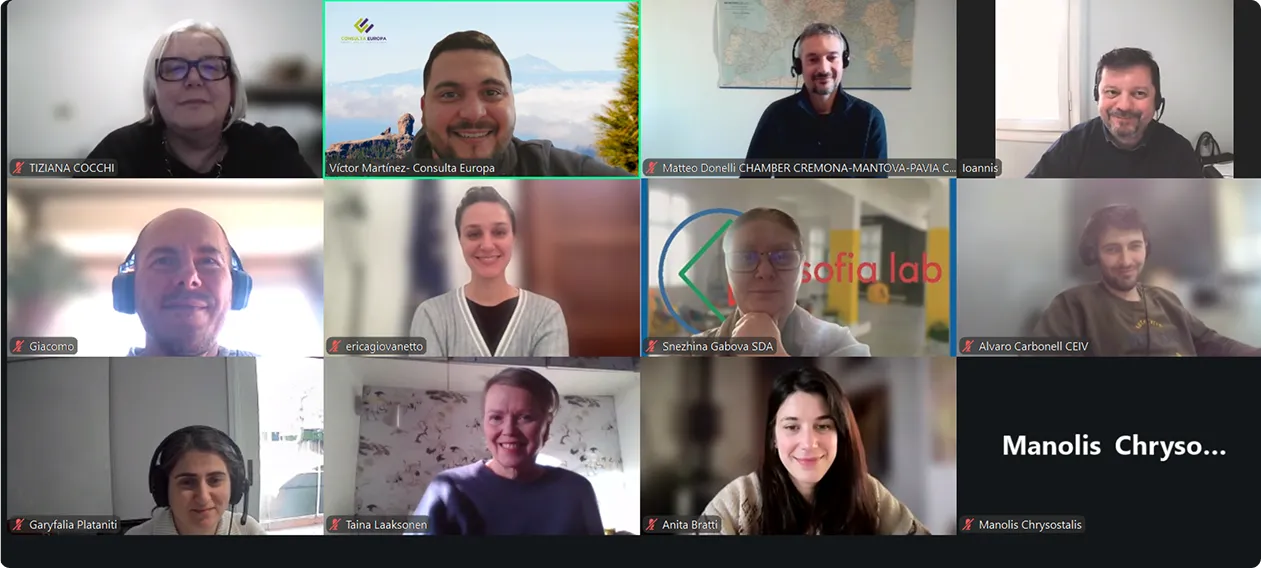
Europe’s craft traditions are full of talent and stories, but many artisans struggle to find markets and to pass their skills to the next generation. At the same time, visitors are looking for authentic, hands‑on experiences that connect them with local culture and people. CRAFT-TOUR brings these two worlds together by linking craftsmanship and tourism in a European partnership across six countries: Italy, Greece, Spain, Bulgaria, Finland and Estonia.
Challenges We Address
Declining visibility and sales for small craft businesses, especially in rural and less-visited regions.
Limited digital skills and online presence, which makes it hard for artisans to reach tourists and international customers.
Craftspeople often working in isolation, with few opportunities to collaborate, innovate or learn from peers in other regions.
Ageing workforce and low interest from young people in craft careers, risking the loss of traditional know‑how.
Untapped potential to turn living craft heritage into attractive tourism routes, workshops and events.
Project Activities
Direct support for craftsmen
Tourism activation and pilots
Digital collaboration platform
Why the CRAFT-TOUR Project?
Crafts embody Europe’s cultural identity and sustainable economy goals, yet face decline without targeted action. This project fills the gap by providing transnational tools – financial, technical, and networking – that no single region could muster alone. The project aligns perfectly with EU priorities on promoting handicrafts and drawing tourists to production areas, turning heritage into resilient communities through cross-border exchange.
It directly supports at least 30 craftspeople and small craft SMEs through sub‑grants, mentoring and tailored training.
It connects crafts and tourism in a structured way, creating new products and experiences in at least four European regions.
It offers a European platform for collaboration, so artisans, tourism operators and support organisations can learn and innovate together.
It responds to EU priorities on sustainable tourism, cultural heritage, SME support and the green and digital transition of the tourism ecosystem.
Benefits of the Project
Benefits for artisans and small craft businesses:
Stronger livelihoods come through practical support, mentoring, and visibility that help craftspeople reach new customers, improve their products, and make a more stable living from their skills. Artisans gain modern tools for digital marketing, online sales, and greener production, so they can innovate without losing the character of their craft. Through the collaboration platform and exchanges, makers connect with peers and tourism partners instead of working in isolation.
Benefits for destinations and local communities:
More vibrant local economies emerge as new craft-based routes, workshops, and events attract visitors, bringing extra income to shops, cafés, accommodation, and other local services. Traditions stay alive as demand for authentic handmade products grows, giving communities pride in their heritage and showing younger people a future in local crafts. By shining a light on lesser-known areas, the project helps spread tourism benefits beyond the usual hotspots.
Benefits for tourists:
Authentic experiences let visitors meet makers, see how objects are created, and take part in hands-on activities, rather than just buying standard souvenirs. Travellers go home with a deeper understanding of local culture and unique items that carry a real story.
Benefits for Europe as a whole:
Stronger cultural identity shines through showcasing living craft traditions, reinforcing Europe’s rich and diverse heritage. The tools, routes, and partnerships developed create a model that can inspire similar initiatives in other regions, multiplying the impact over time.